
An inpatient mental health service offers 24-hour access to support, therapy and medication in a safe, secure environment. This service is for those who do not have adequate support from an outpatient service or through care provided at home. The type of inpatient care provides both immediate stabilization through medication and more long-term therapeutic support for those with ongoing clinical needs.
Who Can Benefit From Inpatient Mental Health Care?
Inpatient mental health services serve both the individual requesting the services as well as the family supporting that individual. Individuals may need to enter an inpatient program if their mental health symptoms have reached a critical level, created a disruption, or create a dangerous situation for themselves or others. An example of this would be when an individual has severe depression, is experiencing psychotic symptoms, or is at risk for significant harm or life. Many of these individuals require
more intensive treatment than what is available in outpatient settings due to the need for close observation and frequent medication adjustments.
When Is Inpatient Care the Right Choice?
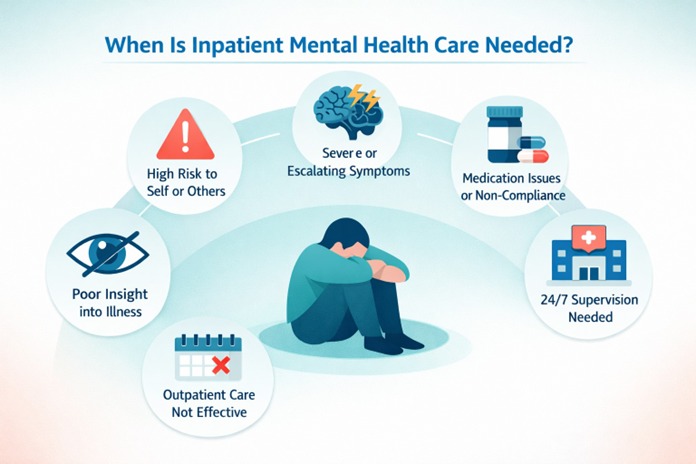
Inpatient care is warranted when a high level of risk exists for the individual or others due to serious mental health issues and/or a lack of awareness of the seriousness of one’s illness and/or inability or unwillingness to follow a prescribed treatment plan or take medications. Patients who have not seen sufficient improvement from outpatient treatment but who require continual support or observation will benefit from inpatient care due to the availability of consistent and continuous therapeutic involvement, as well as timely treatment and interventions where required.
Types of Inpatient Mental Health Services
There are many types of inpatient mental health care, including: Services for crisis stabilization will focus primarily on stabilizing the individual’s acute psychiatric emergency, thus reducing any immediate risk. Dual diagnosis program specialties work with those with mental illness and some form of substance use disorder, which can complicate recovery from both.
Long term residential care provides support to individuals needing extended treatment and rehabilitative services. Structured programs that provide insight into the individual’s illness and vocational training will help individuals regain their independence after discharge from inpatient hospitalization and provide a greater chance of success once they have left the facility.
What to Expect During an Inpatient Stay
In an inpatient setting, patients follow a similar structured therapeutic daily routine. They will be involved in regular reviews by a psychiatrist, one-on-one psychotherapy, participate in groups, and receive continuous nursing care. The length of an inpatient stay will vary based on each person’s clinical needs. The inpatient stay can range from short-term stabilization to longer-term rehabilitation. The patient’s treatment plan will be reviewed and modified throughout the patient’s inpatient stay to support their recovery. Individuals who have a mental illness like schizophrenia may need support in the inpatient setting for structured monitoring, medication adjustments, and therapeutic support. To better understand what treatment looks like for schizophrenia and what families can expect, explore our detailed guide.
Benefits for Patients and Families
Inpatient Mental Health Treatment usually results in the stabilization of acute symptomatology, increases emotional and functional capacity, provides an accurate diagnosis, provides a careful assessment of medications, and assists in developing coping and life skills. Families are often reassured and relieved to know that their loved one is being cared for by professionals who provide a structured environment and compassionate support during a time of vulnerability.
Addressing Common Concerns About Inpatient Care
Countless people and families fear being unable to maintain their independence, face stigma or deal with a harsh institutional setting should they require hospitalization. These concerns are valid and should be addressed within a framework of open communication, person-centered care, and compassionate care. Modern inpatient mental health services now focus on working collaboratively with patients and family
members to treat patients respectfully and with dignity, and to actively involve patients and their family members in their own treatment plans.
Ensuring Safety, Dignity, and Confidentiality
All inpatient services are delivered in an environment that is supportive and welcoming to their patients. All staff members provide 24/7 clinical supervision and risk-based intervention protocols for the safety of each patient. Patients are treated with dignity and respect and every effort is made to maintain patient confidentiality as mandated by professional and legal standards. Every effort will be made to ensure that patients maintain a sense of privacy and trust during their treatment.
What Makes Our Inpatient Service Different
Effective inpatient mental health treatment is more than just containing a client’s symptoms. A team of mental health professionals from multiple disciplines will develop a tailored treatment plan for each patient in a therapeutic environment. This treatment approach focuses on rehabilitating patients, educating patients about their mental illness, providing vocational skills, and helping create an individualized comprehensive aftercare plan, in lieu of a custodial approach to providing mental health treatment. This treatment model is designed to promote long-term recovery through the provision of meaningful support and care for individuals who have experienced mental health crisis.
Taking the Next Step Toward Care
If you or someone close to you are struggling and/or unsure about whether inpatient mental health care is appropriate, an assessment or consultation (confidential) can give you more clarity and guidance. Personal or family member(s) struggling and/or uncertain about inpatient mental health treatment. Early input from a professional will
assist with determining the appropriate type of care, and hence aid with developing a safe and effective route to recovering from any mental illness.